
The sound of metal crunching is instantly overwhelming, but the paperwork and repair coordination that follows doesn’t have to be. While most drivers feel a surge of panic immediately after a collision, industry experts agree that the actions you take in the first fifteen minutes are critical for a successful car insurance claim after an accident. Your immediate priority is always safety; once everyone is secure, the rest of the process is a series of manageable administrative steps rather than an ongoing emergency.
Many people fear that filing a car insurance claim after an accident is a complex battle against their provider, yet it is actually a predictable cycle with clear, structured stages. A simple roadmap—moving from gathering crucial evidence at the scene to the final vehicle repair assessment—allows you to navigate the process confidently. By understanding these steps and ensuring your vehicle is directed to a specialised accident repair network like Capital SMART, you can dramatically reduce downtime and get your car back on the road safely and efficiently.
The Golden Hour: Critical Steps to Take Immediately After a Collision
Adrenaline often spikes immediately after a crash, making it difficult to think clearly. Your primary goal is to stabilise the situation before worrying about the cosmetic or structural condition of your car. Follow these urgent safety steps to secure the scene:
- Activate your hazard lights to warn oncoming traffic of the obstruction.
- Check everyone involved for injuries, including passengers and pedestrians.
- Move vehicles to the shoulder if you can safely determine if your car is drivable and it is currently obstructing traffic.
- Call emergency services immediately if anyone is hurt or if significant road hazards persist.
Interacting with the other driver requires a careful balance between politeness and protection. It is natural to want to apologise, but saying ‘I am sorry’ can sometimes be misinterpreted as admitting liability later in the process. Instead, stick to a neutral script: ask if they are okay and exchange details calmly. Insurance adjusters use physical evidence, road rules, and police reports to determine who is at fault, so let the professionals handle the liability assessment while you focus on recording the facts.
Not every minor collision requires a police presence, but there are specific legal thresholds for filing a police report for insurance purposes. Generally, you must contact the police if a vehicle requires towing, if there are injuries, or if you suspect the other driver is under the influence. Once the scene is secure and relevant authorities are notified, you are ready to start documenting the panel and bumper damage.
Gathering Bulletproof Evidence: A Checklist of What to Document
Your smartphone is your most powerful tool for gathering evidence at the accident scene. While memories fade quickly, digital photos provide an objective, undeniable timeline of the event. Aim to capture the full picture by photographing the collision damage close-up, the relative positions of the cars, and the wider environment, including street signs, traffic lights, or skid marks. If you have a dashcam installed, submitting this footage can be decisive for your car insurance claim after an accident, but remember to save the file immediately so it isn’t overwritten during your drive home.
Equally important is identifying the people involved without getting drawn into an argument. Focus strictly on exchanging contact details to ensure your insurer can process the insurance repairs smoothly. You do not need to discuss who caused the crash; simply request the following information from the other driver:
- Full name, residential address, and phone number
- Driver’s licence number
- Vehicle make, model, and registration number
- Name of their insurance provider
Independent accounts often tip the scales when stories conflict, so ask any bystanders for their contact information before they leave the scene. Their statements can serve as crucial tie-breakers if the other driver later changes their version of events. Thorough documentation not only supports your claim but also assists modern repair networks in digitally assessing your vehicle’s damage before it even arrives at the facility.
Who Pays? Understanding Fault, Excess Fees, and Cover Types
Once the immediate adrenaline fades, financial worry often sets in. Think of your excess—the upfront amount you contribute towards repairs—like a mandatory entry fee to access your policy’s benefits. If the accident wasn’t your fault and you can provide the at-fault driver’s complete details, many insurers will waive this cost entirely. However, if you caused the accident or cannot identify the other party, paying the required excess fee is usually necessary before the insurer authorises the remaining repair balance.
Not all policies offer the same level of protection. To fully understand your entitlements, it is highly recommended to review the authoritative car insurance guidance provided by MoneySmart or check your Product Disclosure Statement (PDS). The outcome of comprehensive versus third-party property damage claims generally breaks down as follows:
- Comprehensive Cover: Covers the cost of repairing the damage to your car and the other driver’s vehicle, regardless of who caused the crash. This cover typically provides seamless access to premium repair networks.
- Third Party Property: Only covers the damage you cause to other people’s property or vehicles. It generally will not pay to fix your own car, meaning you may need to explore private accident repairs to restore your vehicle safely.
Navigating a crash becomes significantly harder when dealing with uninsured drivers. If you hold comprehensive cover, your insurer handles the headache of recovery—a behind-the-scenes process where they chase the at-fault driver for reimbursement so you do not have to. With a clear understanding of your potential costs and cover, you are ready to formally start the lodgement process.
The Lodgement Process: Fast-Tracking Your Repair Assessment
Most policies enforce a strict timeframe for lodgement, so you should contact your provider immediately after gathering your evidence to initiate your car insurance claim after an accident. Modern online insurance portals allow you to upload your photos and the other driver’s information instantly. Submitting this digital data early prevents memory gaps and significantly accelerates the authorisation for your vehicle’s repair.
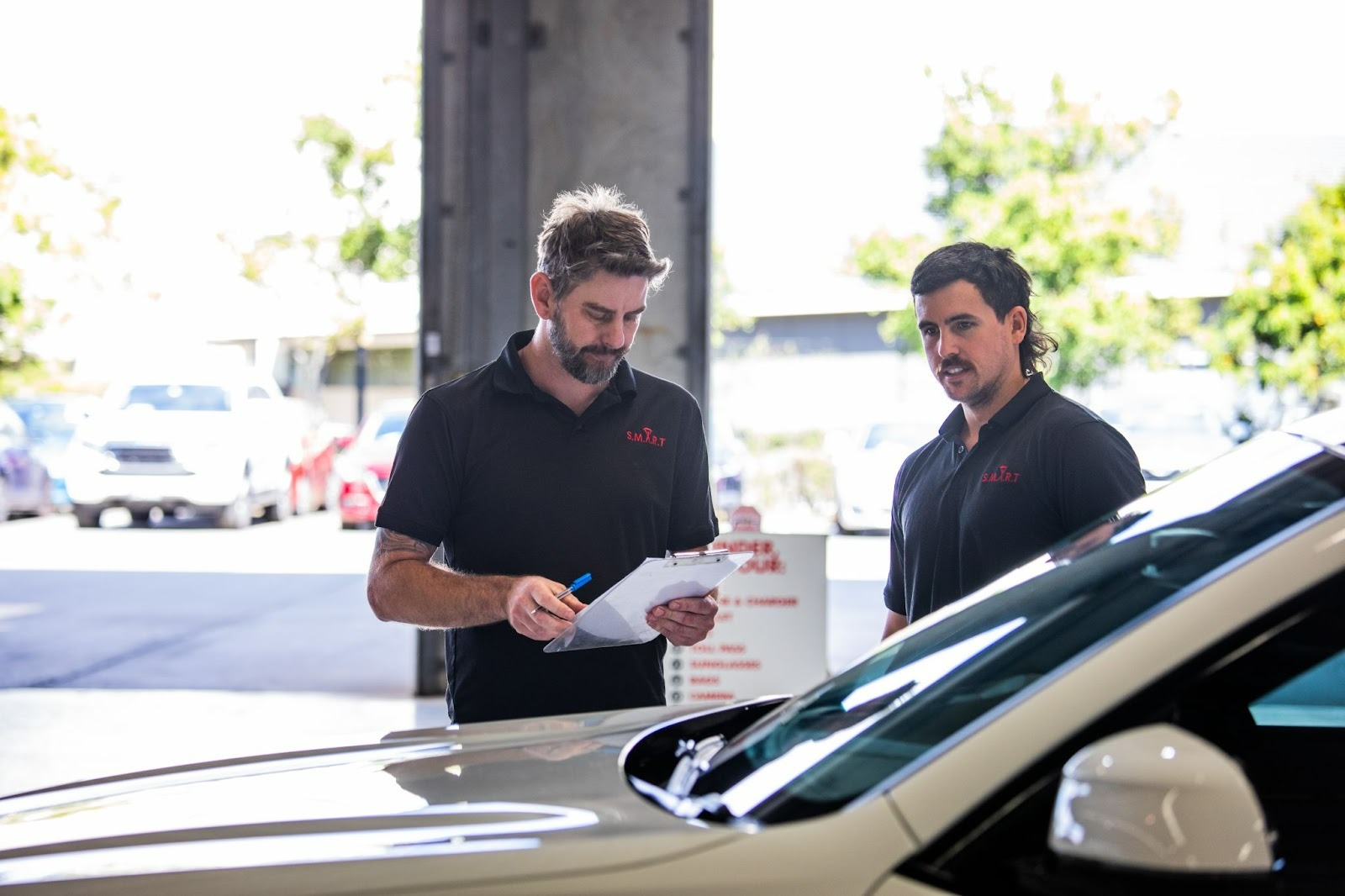
Once lodged, your vehicle undergoes a professional damage assessment. This is where choosing a high-quality, digitally enabled repair network like Capital SMART makes a crucial difference. Modern vehicle complexity—including Advanced Driver Assistance Systems (ADAS), EV components, and advanced structural materials—makes it essential to rely on a certified, OEM-aligned network rather than a standard mechanical workshop. Capital SMART specialises in high-quality paint, panel, and bumper repairs for drivable vehicles, ensuring that every safety sensor and structural element is meticulously recalibrated to factory standards.
During this phase, expert assessors calculate the required repair methods. If the damage is too extensive to fix safely or economically, the insurer may declare the vehicle a total loss. However, for the vast majority of drivable vehicles, the assessment seamlessly transitions into a streamlined repair workflow designed to return your car to its pre-accident condition with minimal delay.
Beyond Repairs: Fleet Coordination and Dispute Resolution
Getting back to your daily routine often requires a temporary vehicle, but this benefit is not always automatic. Hiring a car after an accident is typically an optional extra outlined in your PDS, though you may be entitled to a rental paid by the other party’s insurer if you were not at fault. For businesses, minimising operational downtime is even more critical. Partnering with a repairer that offers dedicated commercial fleet solutions ensures your company vehicles are prioritised, tracked, and returned to service rapidly.
If your insurer denies your claim or offers a settlement that feels inadequate, remember that their initial decision is not necessarily final. You have the specific right to request a second look if you believe critical details were missed. When disputing an insurance claim outcome, avoid relying on general mechanical advice; instead, present concrete evidence from specialised collision repair experts. If an internal review from your insurer remains unsatisfactory, you can formally escalate the matter by lodging a complaint with the Australian Financial Complaints Authority (AFCA).
Conclusion: Your Final Checklist for a Successful Collision Repair
You have moved from roadside stress to managing the resolution like a professional. Before driving away from the repair facility, inspect the completed work to ensure you are satisfied with the quality, and finalise any excess payments to release the vehicle. It is highly recommended to keep a digital folder of all photos, claim reference numbers, and repair certificates for your records. This simple administrative step protects you during future policy renewals and proves you have successfully navigated the system.
A car insurance claim after an accident does not have to be an overwhelming battle; it is simply a checklist to complete. You have gathered the necessary evidence, lodged the paperwork, and authorised the work with a trusted, scale-driven repair network. With the administrative heavy lifting behind you, your only remaining task is to get back on the road with total peace of mind, knowing your vehicle has been safely and expertly restored.