
Minor car accidents are an unfortunate reality for many drivers, whether you’re managing a fleet of vehicles or just your personal car. But how do you determine if your car is drivable after a minor accident? Knowing when a car is safe to drive can save you both time and money, and keep your fleet running smoothly with minimal downtime.
In this guide, we’ll explore key indicators that help determine whether your vehicle is safe to drive following a minor collision. We’ll also provide insights into what to look for during a vehicle inspection and when to seek professional repair services.
Assessing Drivability After a Minor Accident
After a minor accident, the first step is to assess whether your car is safe to drive. Here are some key indicators to consider:
Immediate Checks Post-Collision
Fluid Leaks
One of the most obvious signs of a problem is fluid leakage. Look under your car for any signs of leaking oil, coolant, or other fluids. If you notice any leaks, it’s a clear indication that your car needs professional attention and should not be driven.
Tyres and Alignment
Inspect your tyres for any signs of damage, such as punctures or sidewall bulges. Also, check the alignment of the wheels. If your steering feels off or your vehicle pulls to one side, this could indicate alignment issues, which require immediate correction.
Lights and Indicators
Ensure all your lights and indicators are functioning correctly. Faulty lights can make driving hazardous, especially in low-visibility conditions. Replace any broken bulbs before driving the vehicle.
Conducting a Thorough Vehicle Inspection
A thorough vehicle inspection can help identify less obvious issues that may affect driveability. Here’s a simple guide to follow:
Body and Frame Damage
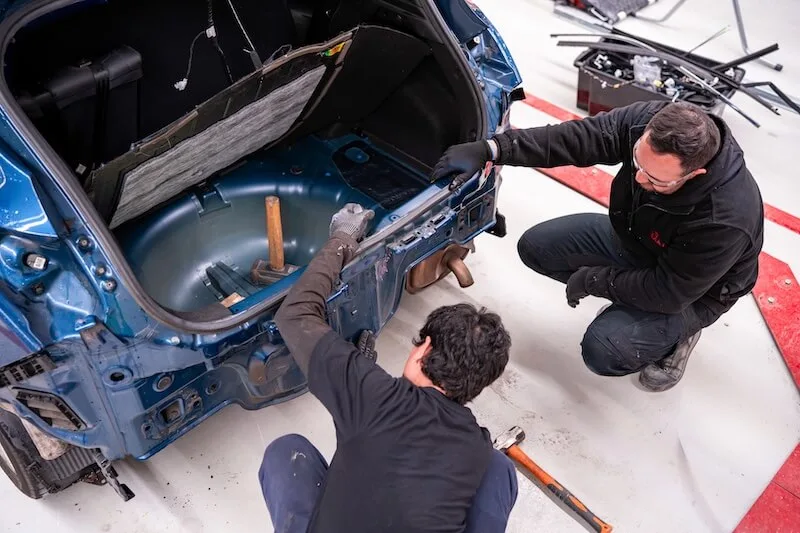
Inspect the car’s body and frame for any significant damage. Small dents and scratches are typically cosmetic, but if there’s any noticeable misalignment or the doors and boot do not close properly, it could indicate structural damage.
Unusual Noises
When you start the car, pay attention to any unusual noises. Strange sounds such as grinding, whining, or knocking could signify mechanical issues that need professional evaluation.
Brake Functionality
Brakes are crucial for safe driving. Test them by gently applying pressure while driving at a low speed. If you experience any sponginess, grinding, or unusual resistance, avoid driving the vehicle until repairs are completed.
Steering Responsiveness
Drive the car slowly in a safe area and pay attention to how it steers. If there’s excessive play in the steering wheel or if the car feels unstable, these are red flags that need immediate attention.
When to Seek Professional Repair Services
Even minor collisions can cause significant underlying damage that isn’t immediately apparent. It’s often best to consult with a professional accident repair centre to ensure your vehicle is truly safe to drive.
Benefits of Professional Accident Repair Centres
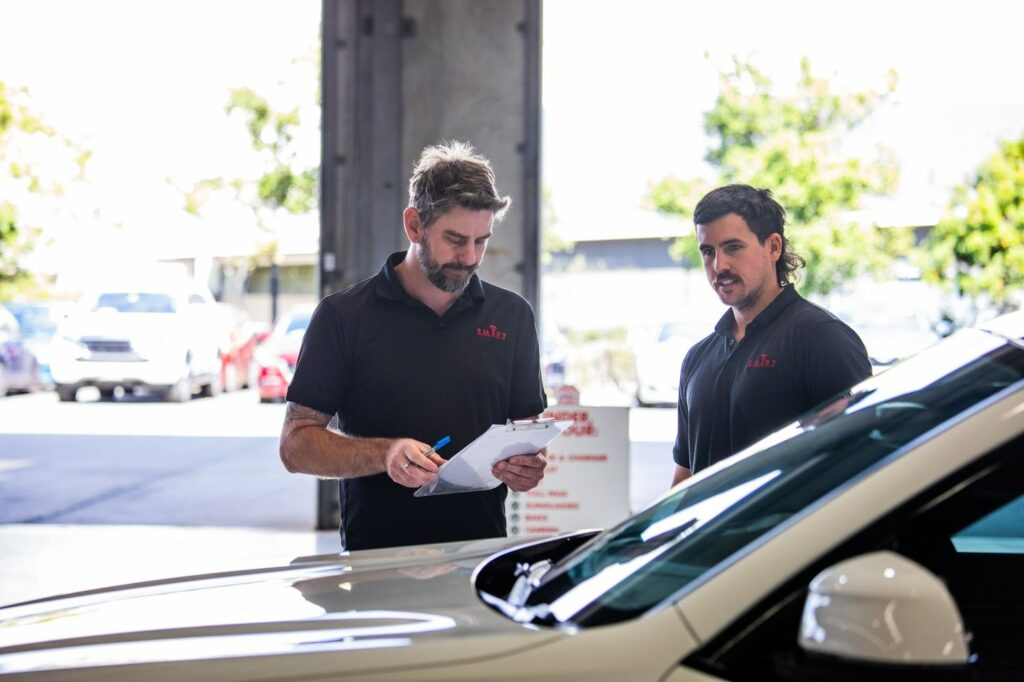
Professional repair networks, like SMART, specialise in light-to-medium collision repairs and provide a comprehensive assessment of your vehicle’s condition. They adhere to OEM-aligned standards and use advanced repair technology to ensure high-quality repairs.
- Expertise and Experience: Specialised repair centres possess the expertise to diagnose and repair collision damage efficiently.
- Advanced Technology: They utilise the latest repair technology for accurate and durable repairs.
- Reliability and Consistency: A trusted repair network ensures reliable service and consistent quality, minimising downtime.
SMART’s streamlined, digitally enabled workflows allow for efficient repair processes. With a national network and dedicated fleet coordination capabilities, SMART is equipped to handle collision repairs swiftly, reducing downtime for both private and fleet customers.
Minimising Downtime for Fleet Managers
For fleet managers, minimising vehicle downtime is critical. Here’s how you can ensure efficient repairs:
Regular Inspections and Preventive Maintenance
Regular inspections help identify potential issues before they escalate. Implement a routine check-up schedule for your fleet vehicles to maintain their operational efficiency. Preventative maintenance, such as regular oil changes and brake checks, can prevent minor issues from becoming major problems, keeping your fleet in top condition.
Partnering with a Reliable Repair Network
Partnering with a reliable accident repair centre like SMART ensures that your vehicles are in expert hands. Their commitment to transparent communication and customer experience will keep you informed throughout the repair process.
Determining whether your car is drivable after a minor accident involves a careful inspection of critical components like fluid systems, tyres, lights, brakes, and the vehicle’s body. While some issues can be identified and resolved on your own, others may require the expertise of a professional repair network.
By choosing a specialised accident repair centre, you ensure that any underlying damage is addressed efficiently and to the highest standards. This not only guarantees the safety of your vehicle but also minimises downtime, keeping your fleet running smoothly and efficiently.
Remember, when in doubt, it’s always best to consult with professionals to ensure the safety and reliability of your vehicle.
A proactive approach to vehicle maintenance and repair will save time, reduce costs, and enhance the overall performance of your fleet.
Need Expert Vehicle Repair After an Accident?
Don’t leave your vehicle’s safety to chance. If you’ve been in a minor accident and need professional assessment or repair, trust SMART for reliable, high-quality service across Australia.
Our team of experts is ready to get your vehicle back on the road safely and efficiently. Contact us today to learn more!