
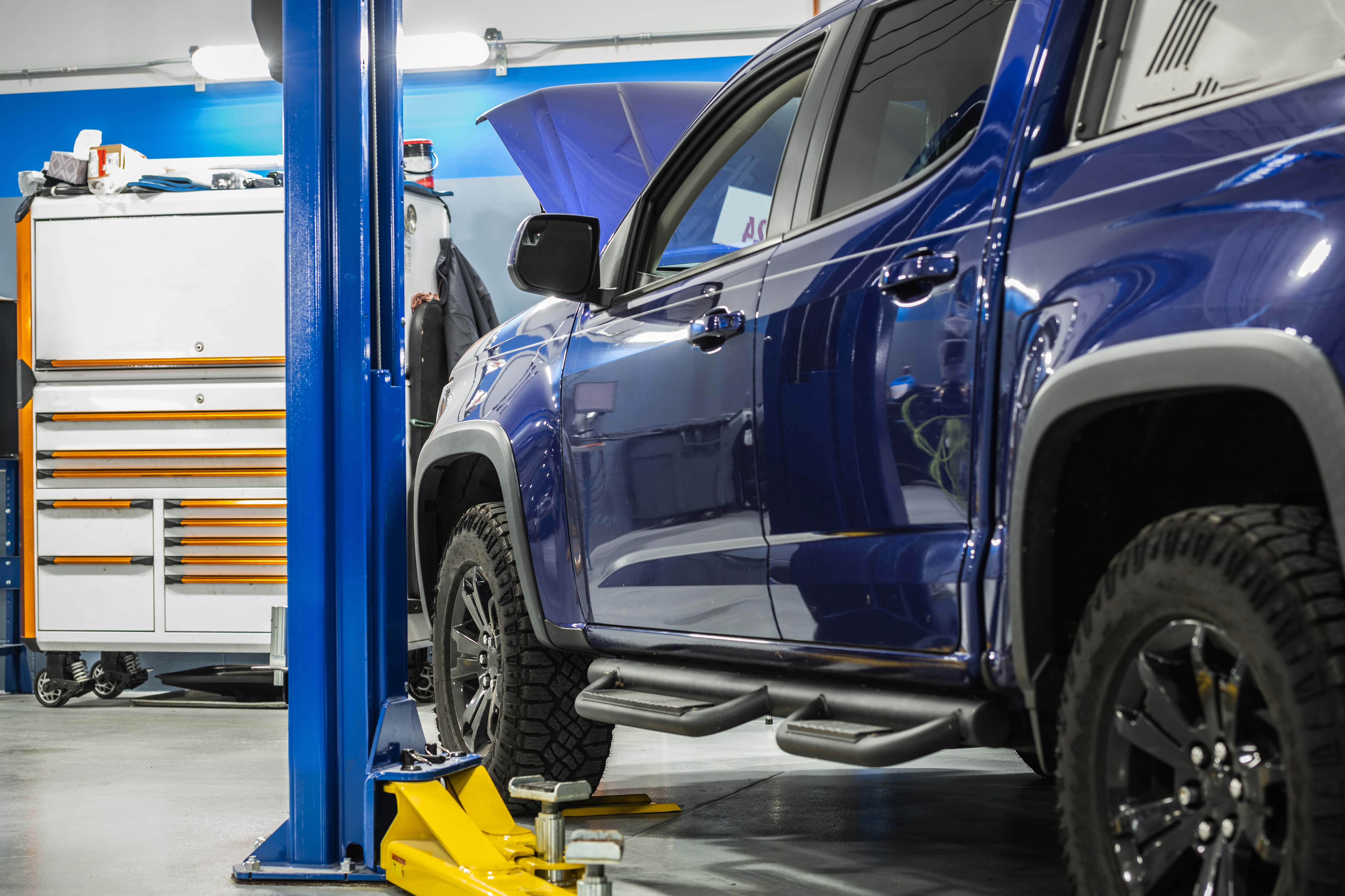
For a tradie or delivery driver, your vehicle is the business. When a ute, van or truck is off the road after a knock or a collision, the cost is never just the repair bill. It’s the jobs you can’t get to, the deliveries that run late, and the income you lose for every day it sits idle. That’s exactly why fast tradie vehicle repairs matter so much. The quicker a work vehicle is assessed, repaired and back on the road, the less a single accident disrupts your schedule, your customers and your cash flow.
Below, we look at the real cost of downtime for commercial vehicles, why speed and quality both count, and what to look for when your work vehicle needs fixing.
Your work vehicle is part of how you earn
Utes and vans aren’t just transport for a working business. They carry your tools, your stock and often tens of thousands of dollars of specialised equipment, and they’re how you physically get to the next job. Light commercial vehicles make up a large and growing share of what’s on Australian roads, accounting for roughly 17.5% of the registered fleet according to the Australian Bureau of Statistics. Behind a lot of those utes and vans sits a sole trader, a small crew or a delivery operation that simply can’t function without them.
When that vehicle goes down, the whole operation slows with it. A passenger car owner who has a prang can usually rearrange a few personal trips. A plumber, sparky, courier or florist who loses their vehicle can lose the ability to invoice at all. That difference is the entire reason turnaround speed deserves more attention for work vehicles than it gets.
The hidden cost of slow repairs
The repair invoice is the obvious number. The bigger number is usually everything that happens while the vehicle is unavailable:
- Lost income: jobs you have to turn down, postpone or hand to someone else because you can’t get on site.
- Knock-on scheduling: one missed day rarely stays one day. Rescheduled jobs push into next week and create a backlog that takes time to clear.
- Reputation: late arrivals and cancelled deliveries chip away at the reliability customers came to you for in the first place.
- Extra costs to stay running: hire vehicles, rideshares or paying staff who can’t actually get to work all add up quickly.
None of these show up on the repairer’s quote, but for a commercial operator they often dwarf it. A repair that drags on for an extra week can quietly cost more in lost work than the panel and paint ever will. Choosing a repairer set up for fast, efficient turnaround is one of the few levers you can pull to keep that hidden cost down.
Safety and roadworthiness can’t wait either
There’s a second reason not to limp along with a damaged work vehicle: safety. Collision damage can affect far more than how a vehicle looks. A pushed-in panel can foul a tyre, a damaged tailgate or door can stop loading safely, and structural damage can compromise how a vehicle protects you in a second incident. Heavy and commercial vehicles also face their own inspection obligations, with periodic checks required for trucks and certain commercial vehicles under state rules such as Queensland’s safety certificate and roadworthiness requirements.
If you’re carrying tools, stock or a loaded tray every day, a vehicle that isn’t structurally sound is a risk to you and everyone around you. Getting damage properly repaired quickly isn’t only about getting back to work. It’s about staying legal and safe while you do it.
What fast tradie vehicle repairs actually involve
Fast doesn’t mean rushed or rough. The repairers that genuinely turn work vehicles around quickly do it through process, not corner-cutting. Capital SMART’s repair model is built specifically around drivable vehicles with minor to medium damage, using a streamlined, tracked workflow designed to keep cars and commercial vehicles moving through the centre efficiently.
For a tradie or delivery operator, the things that make the biggest difference to turnaround are:
- Quick, accurate assessment: the sooner damage is properly quoted and parts are ordered, the sooner the clock starts on the actual repair.
- Priority handling for work and fleet vehicles: dedicated fleet solutions for trade utes, vans and company vehicles are designed to reduce downtime and keep your business moving.
- Quality that lasts: proper panel and paint refinishing means the repair doesn’t come back to bite you, which matters when the vehicle is a daily workhorse.
- Convenient locations: with more than 60 centres across Australia and New Zealand, there’s usually a centre near where you actually work.
Actual turnaround always depends on the damage, parts availability, insurer approvals and how complex the repair is, so no honest repairer can promise an exact day for every job. What you can look for is a repairer whose whole model is geared toward getting drivable vehicles back to you as quickly as the work allows, rather than one where your ute joins a queue behind everything else.
Insurance repairs vs private repairs for work vehicles
How you pay for the repair can affect how it runs. Broadly, there are two paths for tradie and delivery vehicles.
Insurance repairs. If you’re claiming, your insurer usually guides the process and may have a network of approved repairers. The Insurance Council of Australia outlines how the claims and recovery process typically works, including assessment and authorisation steps. Capital SMART works directly with major insurers, which can streamline the booking and approval side of an insurance repair so you spend less time chasing paperwork.
Private repairs. For smaller damage, an excess that’s close to the repair cost, or work you’d rather not put through a claim, paying privately can be faster and simpler. A straightforward private quoteprivate quote lets you weigh up the cost against the disruption without involving your insurer at all. Whether to claim or pay privately depends on your policy, excess and circumstances, so it’s worth checking the numbers before you commit.
How to minimise downtime when your work vehicle is damaged
A few habits make a real difference to how long a tradie or delivery vehicle stays off the road after an incident:
- Act early. Report the damage and get it assessed straight away. The repair can only start once the vehicle has been quoted and any parts are on order, so delays at your end push the finish date out too.
- Get a quote fast. Don’t sit on visible damage. A quick private repair assessment or insurance booking gets things moving while the damage is still minor.
- Choose a repairer with multiple locations. A network with centres in your area means less travel and easier drop-off and pick-up around your jobs. You can find your nearest Capital SMART repair centre to plan around your run.
- Ask about fleet or priority service. If you run more than one vehicle, a dedicated fleet account with streamlined invoicing and reporting keeps repairs predictable and your admin light.
Frequently asked questions
How long do repairs take on a tradie ute or van?
It depends on the extent of the damage, whether parts need to be ordered, insurer approvals and how complex the repair is. Capital SMART’s model is built around fast turnaround for drivable vehicles with minor to medium damage, but the only accurate timeframe is the one your repairer gives you after assessing the actual vehicle.
Can I choose my own repairer if I’m claiming on insurance?
It varies by insurer and policy. Some policies let you choose your repairer, while others direct you to an approved network. Check your product disclosure statement or ask your insurer directly, and confirm whether the repairer you’d prefer works with that insurer before you book.
Are vehicle repairs tax deductible for tradies and businesses?
Running costs for a work vehicle, including repairs, are generally deductible to the extent the vehicle is used to earn income, but the rules around method, records and thresholds are specific. This is general information rather than tax advice, so confirm your situation with your accountant or the ATO.
Will I be able to keep working while my vehicle is repaired?
That depends on your insurance policy and the repairer. Some policies include a hire car or replacement vehicle, and some businesses keep a backup vehicle ready for exactly this reason. If staying mobile is critical, ask about replacement options when you book and factor it into whether you claim or pay privately.
Does Capital SMART repair vans and commercial vehicles, not just cars?
Yes. Capital SMART repairs drivable work vehicles including trade utes, vans, lease cars and company vehicles, and offers dedicated fleet solutions for businesses running multiple vehicles across Australia and New Zealand.
Keep your business moving
For anyone whose income depends on their vehicle, fast tradie vehicle repairs aren’t a nice-to-have. They’re the difference between losing a day and losing a fortnight of work. The right repairer combines genuine turnaround speed with quality that holds up to daily use, backed by a process that handles the insurance side for you. If your ute, van or delivery vehicle needs work, request a quote or get in touch with Capital SMART to get it back on the road as quickly as the job allows.