
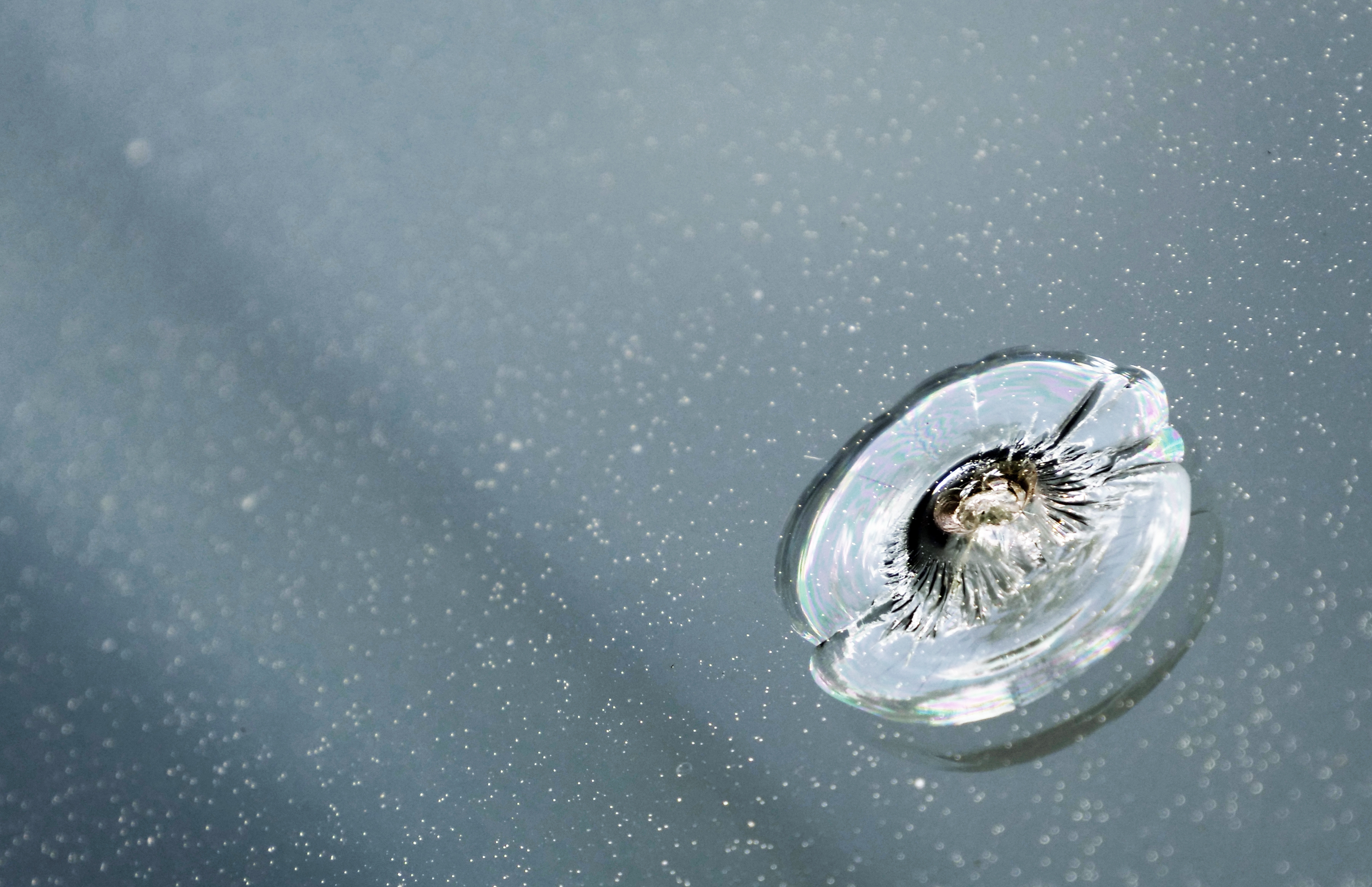
The storm is over in ten minutes. Then you walk outside and see it: dozens of small dents across the bonnet and roof, maybe a cracked mirror cap, maybe worse. The natural reaction is to wait and see.
That is usually the wrong move. Hail damage repair goes most smoothly for people who act in the first two days, while the damage is easy to document, cracked paint has not started to corrode, and repair queues are still short.
This checklist goes further than “take photos and call your insurer”. It is built on what Australian claims data shows happens after major hail events, and what a proper assessment should look for.
Why the First 48 Hours Matter for Hail Damage Repair
Hail claims arrive as a surge, not a trickle. When severe storms hit South East Queensland on 23 and 24 November 2025, insurers had already received more than 16,000 claims across more than 140 postcodes by the time the Insurance Council of Australia declared an insurance catastrophe the next day. The declaration, CAT 255, was later extended to every postcode in Queensland and New South Wales. By August 2026, the ICA’s CAT 255 claims data showed 96,800 claims and $2.30 billion in claims incurred.
Under a catastrophe declaration, insurers prioritise claims from the affected area and triage them so the worst-hit property owners get help first. That is the right order, but it means a drivable car with cosmetic dents is rarely at the front of the queue. The ICA’s advice when declaring CAT 255 was to lodge a claim as soon as you can, even if you don’t yet know the full extent of the damage.
The season matters too. The Bureau of Meteorology says September to March is the peak season for severe thunderstorms, and hail 2 cm or larger, about the size of a $2 coin, is one of the things that makes a storm severe. A damaged car left in the open is exposed to the next storm too.
Step 1 (First Hour): Check Whether Your Car Is Safe to Drive
Dents alone rarely stop a car being driven. Broken glass and damaged safety equipment can. Queensland’s Department of Transport and Main Roads lists hail damage that can make a vehicle defective, including cracked windows, broken lights or indicators, and damaged wiper arms, and driving a defective vehicle is an offence. Rules vary by state, but these checks apply anywhere:
- Windscreen and windows: a crack in your line of sight, or shattered glass, needs sorting before you drive.
- Lights and indicators: switch them on and walk around the car.
- Mirrors: a hanging or shattered housing is a safety problem, not just a cosmetic one.
- Wipers: bent arms won’t clear the screen in the next downpour.
If the windscreen needs replacing, ask about the camera mounted behind it. On cars with lane keeping or automatic emergency braking, a new windscreen means that camera needs ADAS calibration.
Step 2 (First Few Hours): Photograph Every Panel
Photos taken before the car is moved, washed or rained on again are the best record you will have. Hail dents are shallow and hard to capture, so:
- Shoot in soft, even light. Overcast skies or open shade show dents far better than direct sun.
- Photograph at a low angle along each panel, so reflections ripple across the dents.
- Cover the roof, bonnet, boot lid and tops of the guards, where most hits land, then each side.
- Take close-ups of cracked paint, broken trims, mirror caps and lights, plus one wide shot showing the number plate.
These are the photos your insurer will ask for, and exactly what you need to request a free private quote if you decide not to claim.
Step 3 (First 24 Hours): Protect the Car From Further Damage
Hail dents don’t pop out on their own, and where the paint has cracked, bare metal is exposed to moisture and will start to corrode. Limit the harm:
- Park under cover if you can, especially if more storms are forecast.
- If a window is broken, tape plastic sheeting over the opening to keep rain out.
- Skip DIY dent kits, suction pullers and heat tricks. On hail dents they can crack the paint or stretch the metal, turning a dent that could have been reshaped into one that needs refinishing.
Step 4 (Within 24 Hours): Lodge Your Claim or Request a Quote
Lodge early, ideally through your insurer’s online portal, which the ICA notes is generally the quickest way to start a claim. Upload your photos at the same time.
If you are insured with one of Capital SMART’s partnered insurers (AAMI, GIO, Apia, Shannons Insurance, Vero, Bingle or Suncorp Car Insurance), your insurer will book the assessment and repair with us once your claim is approved and your vehicle is referred. Capital SMART currently accepts insurance repairs only from these partnered insurers.
If the damage is light, compare a private quote with your excess first; if the repair costs less, paying directly is simpler. Our guide on how to lodge a car insurance claim covers the process in more detail.
One warning: after big storms, door-knockers and pop-up repairers appear quickly. Be wary of “today only” prices and requests for payment upfront, and check who you are dealing with before handing over your keys.
Step 5 (24 to 48 Hours): Book a Hail Damage Repair Assessment
Hail damage looks uniform, but each dent can need a different repair. A proper assessment records every dent’s size, depth and position, whether the paint is intact, and any damage to mirrors, trims, lights and glass. That decides the method panel by panel:
- Shallow dents with intact paint: may be reshaped without repainting where size, position and panel allow, using the same techniques as our dent repairs.
- Dents with cracked paint or on a body line: repaired, primed, colour matched and refinished.
- Heavily damaged panels: replaced and painted to match before fitting.
Because hail usually marks several panels at once, colour consistency across the roof, bonnet and boot matters as much as the dent work. Capital SMART’s hail damage repair service covers light to moderate damage on drivable vehicles. Timeframes depend on how many panels are affected, whether any need replacing and parts availability, so an estimate is confirmed after assessment.
Frequently Asked Questions
Is hail damage covered by car insurance?
Comprehensive policies typically cover hail damage, subject to your excess and the terms of your policy. Third party policies generally don’t cover damage to your own car. If you are unsure, check your product disclosure statement or ask your insurer before booking any work.
How much does hail damage repair cost?
It depends on the number, size and depth of the dents, whether the paint has cracked, and whether any panels, trims or glass need replacing. A handful of shallow dents is a very different job from a car with every horizontal panel marked. An assessment, or a private quote from photos, gets you a real figure to compare with your excess.
How much hail damage does it take to write off a car?
There is no set number of dents. Your insurer compares the repair cost with the vehicle’s value under your policy, so an older car can be written off with less damage than a newer one. In Queensland, a hail write-off stays on the written-off vehicle register even if you keep the car, which usually reduces its value, although cars with cosmetic hail damage only may be exempt from the usual written-off vehicle inspection.
Can small hail damage a car?
Yes. The Bureau of Meteorology treats hail of 2 cm or more as severe and adds “giant hail” to warnings at 5 cm or larger, but smaller stones can still leave shallow dents on flat panels like the roof and bonnet. These often only show at an angle, which is why photos taken along the panel matter.
Should I wait until storm season is over to repair hail damage?
Waiting is rarely worth it. Cracked paint can start to corrode, defects need fixing before the car is driven, and demand for repairs rises after each major storm. If your car is hit again before it is repaired, tell your insurer straight away and photograph the new damage.
Your 48-Hour Hail Damage Checklist
In the first two days after a hailstorm: check the car is safe to drive, photograph every panel, protect it from the next storm, lodge your claim or request a quote, and book an assessment. None of it takes long, and all of it is easier done early.
Capital SMART has been repairing accident damage for over 15 years, with 60+ locations across Australia and New Zealand. Find your nearest repair centre, or upload photos for a free private quote.