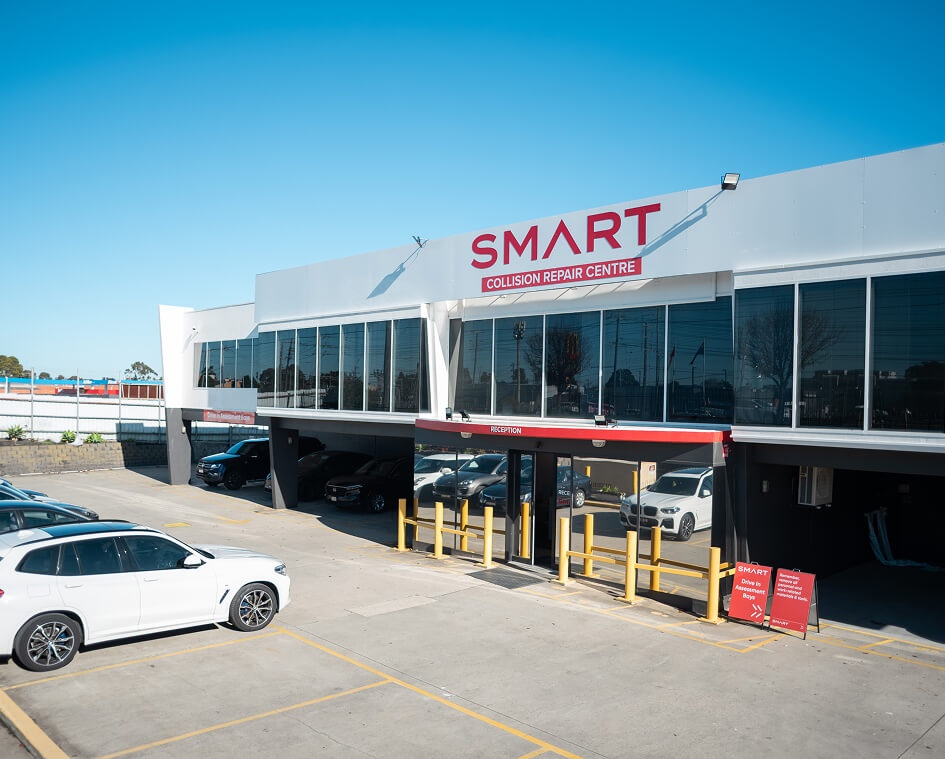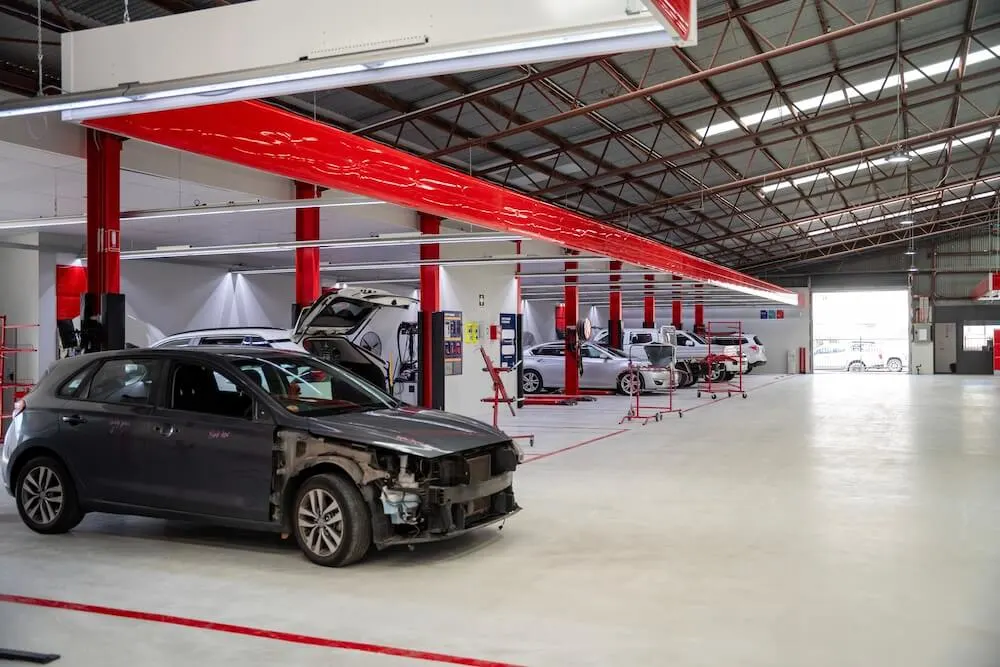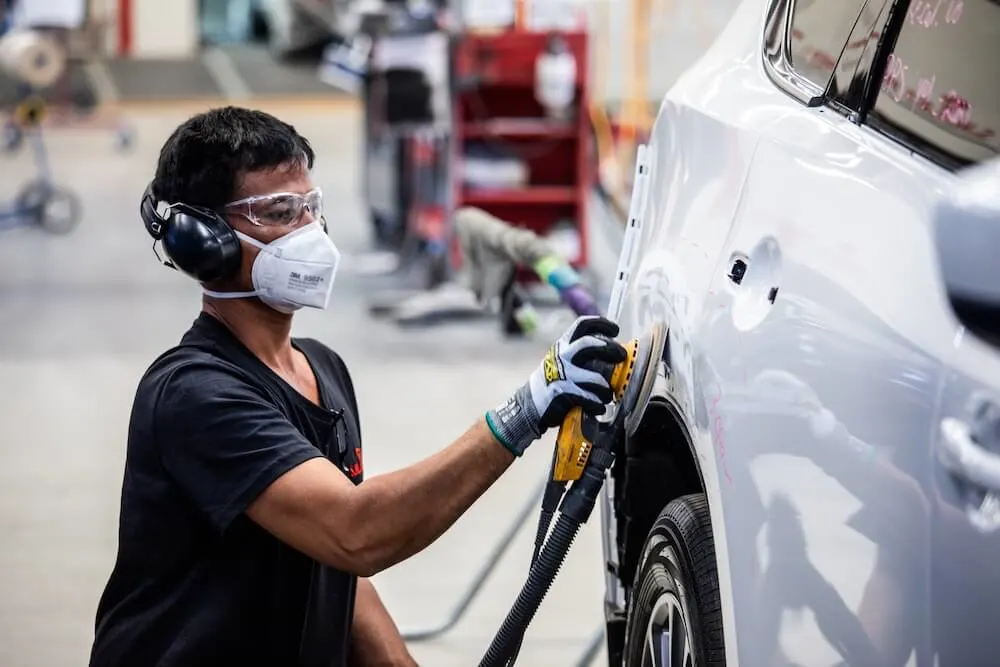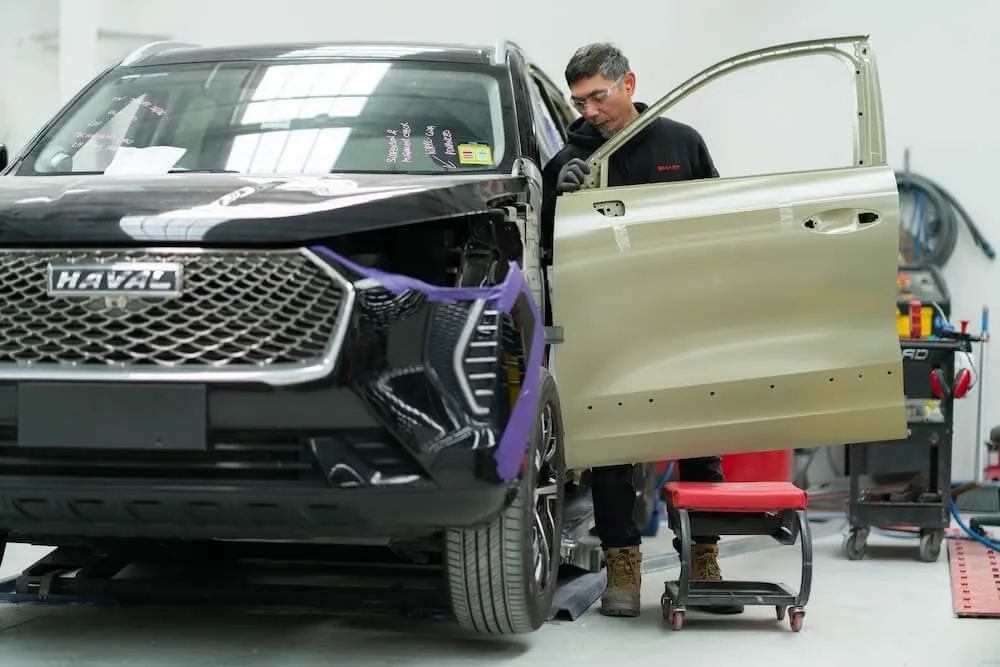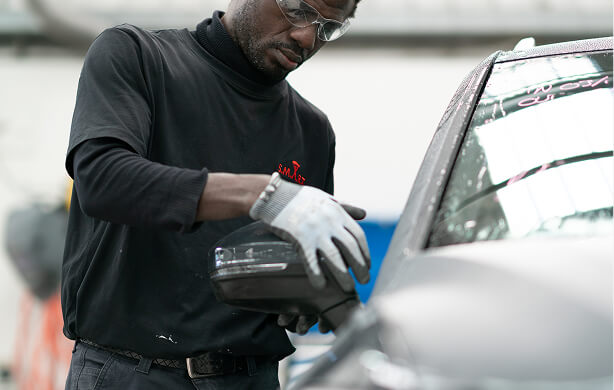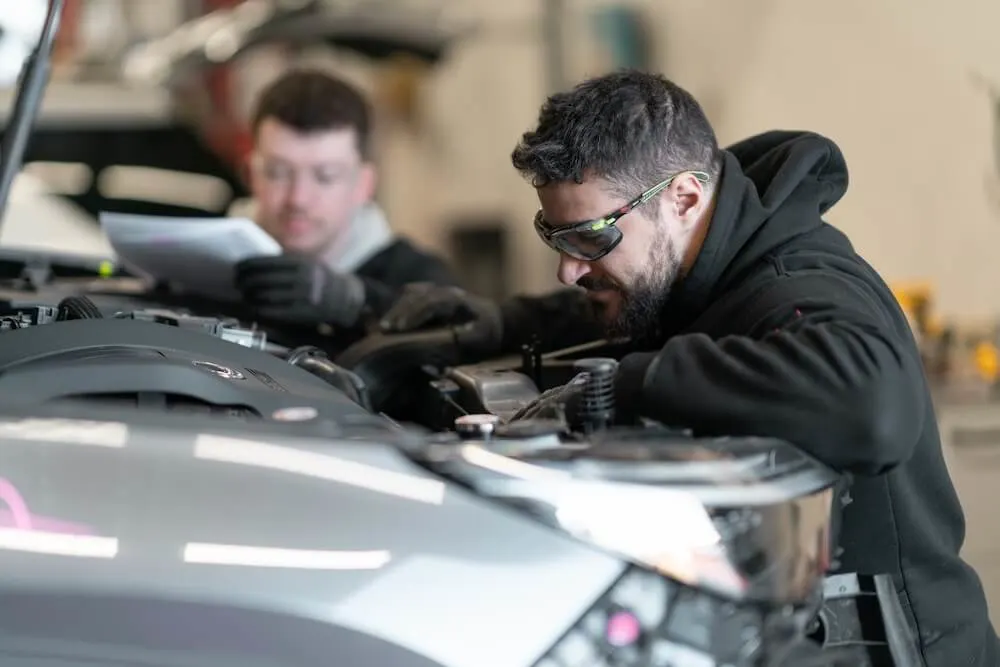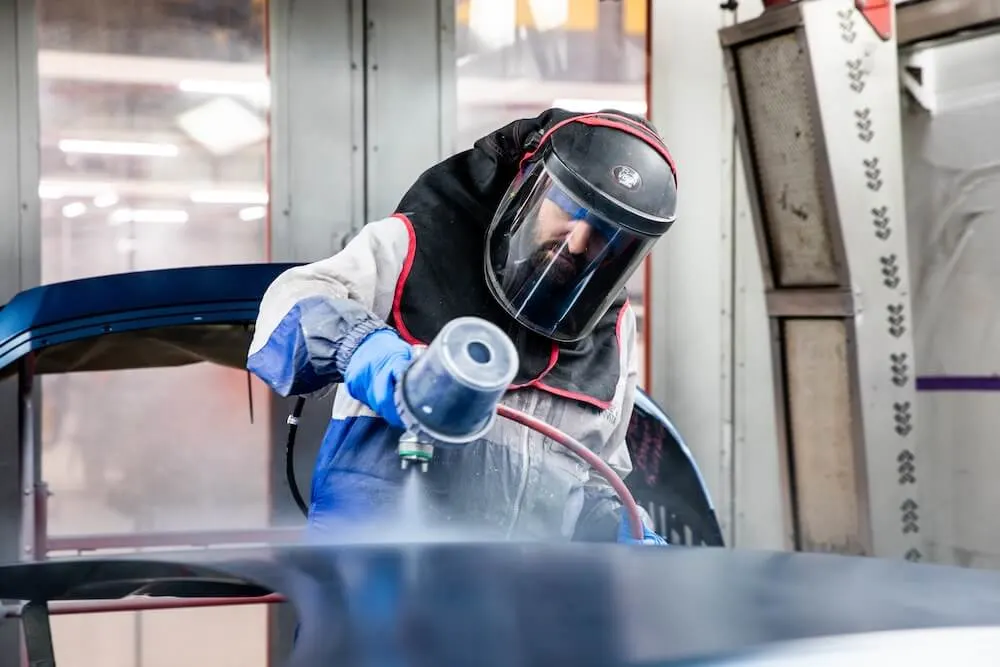
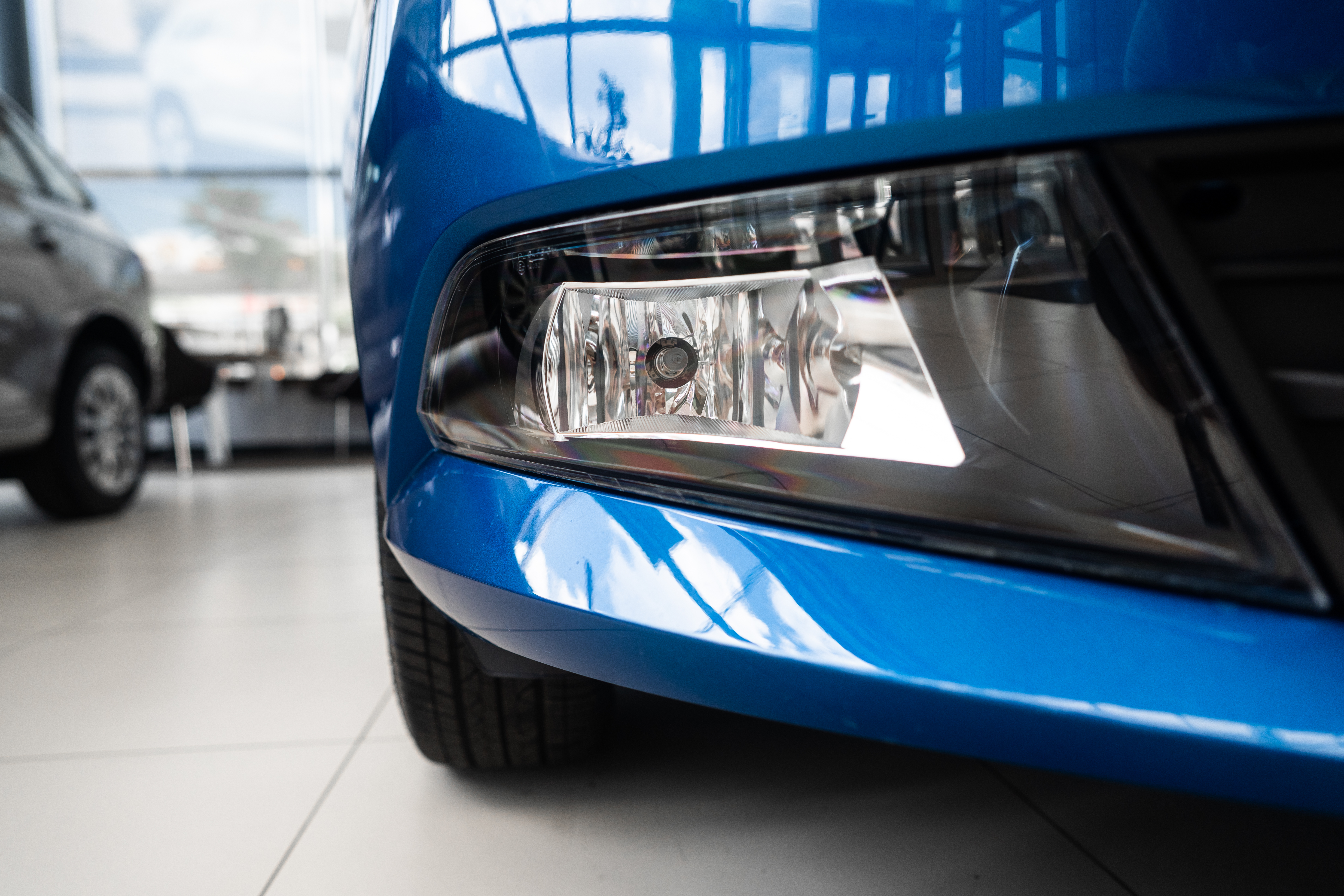
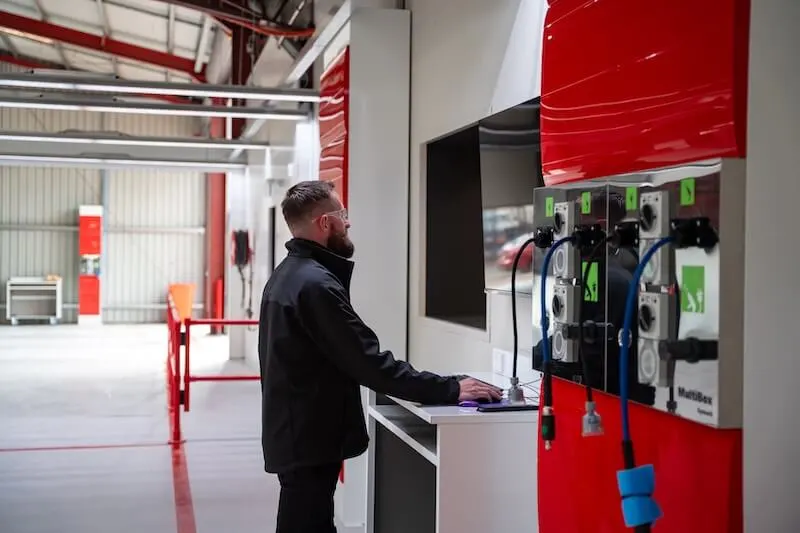
Modern vehicles rely on cameras, radar and sensors for emergency braking, lane keeping and blind-spot monitoring. Capital SMART identifies calibration requirements during assessment and carries them out or coordinates them as part of your repair.
What ADAS calibration is
ADAS stands for advanced driver assistance systems: autonomous emergency braking, lane keep assist, adaptive cruise control, blind-spot monitoring, rear cross-traffic alert and parking sensors. Each depends on sensors mounted around the outside of the vehicle. A forward-facing camera usually sits behind the windscreen; radar sits behind the front bumper or grille; ultrasonic parking sensors sit in the bumper skins.
Calibration confirms each sensor is aimed where the manufacturer specified, and corrects it when it isn’t. Where you’re repairing through one of our partnered insurers (AAMI, GIO, Apia, Shannons Insurance, Vero, Bingle and Suncorp Car Insurance), calibration requirements are assessed and coordinated as part of the approved repair. Find your nearest repair centre or request a private quote.
Repairs that can affect ADAS
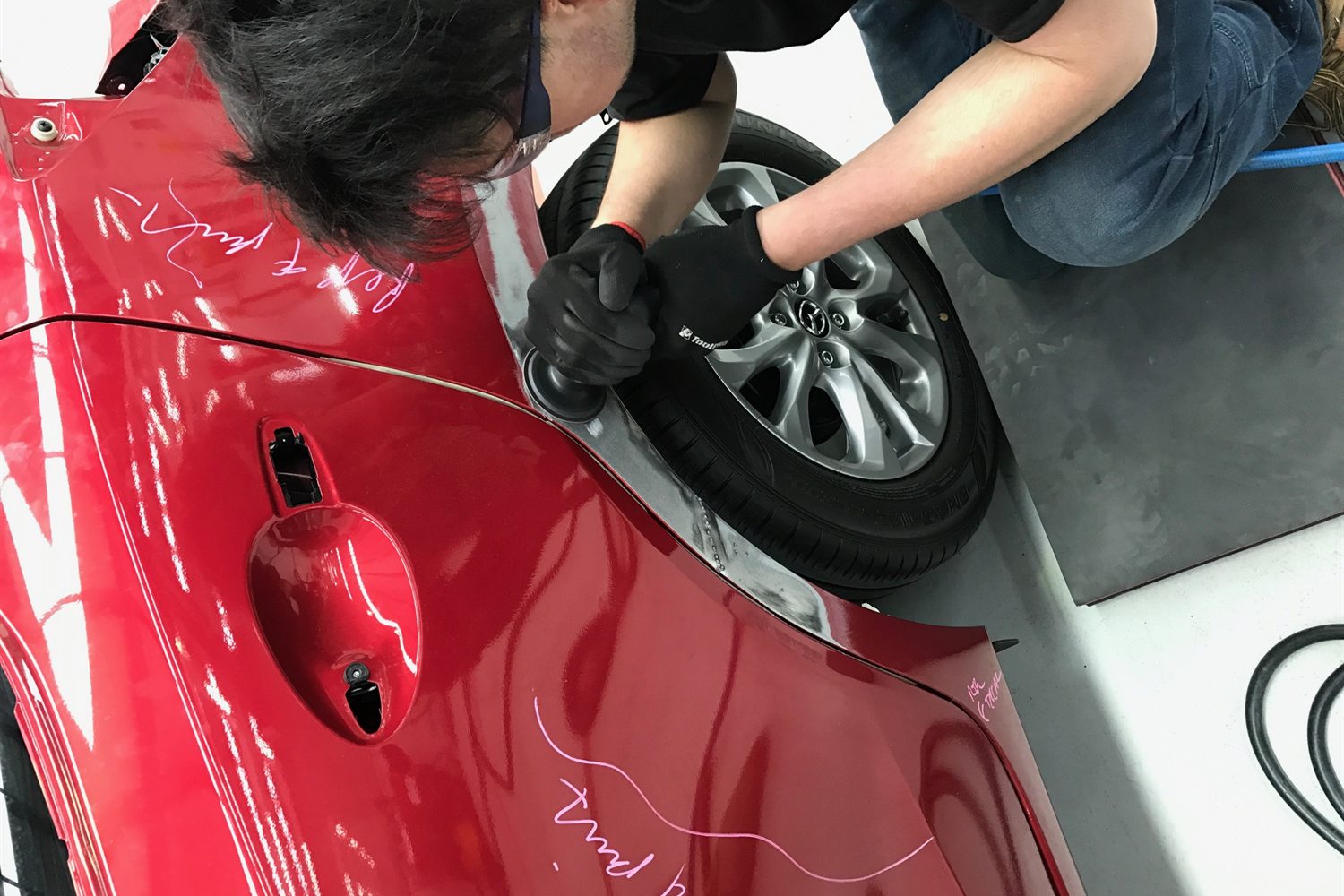
Bumper repair or replacement
Bumpers carry parking sensors, often radar. Refitting one slightly out of position changes what radar sees.
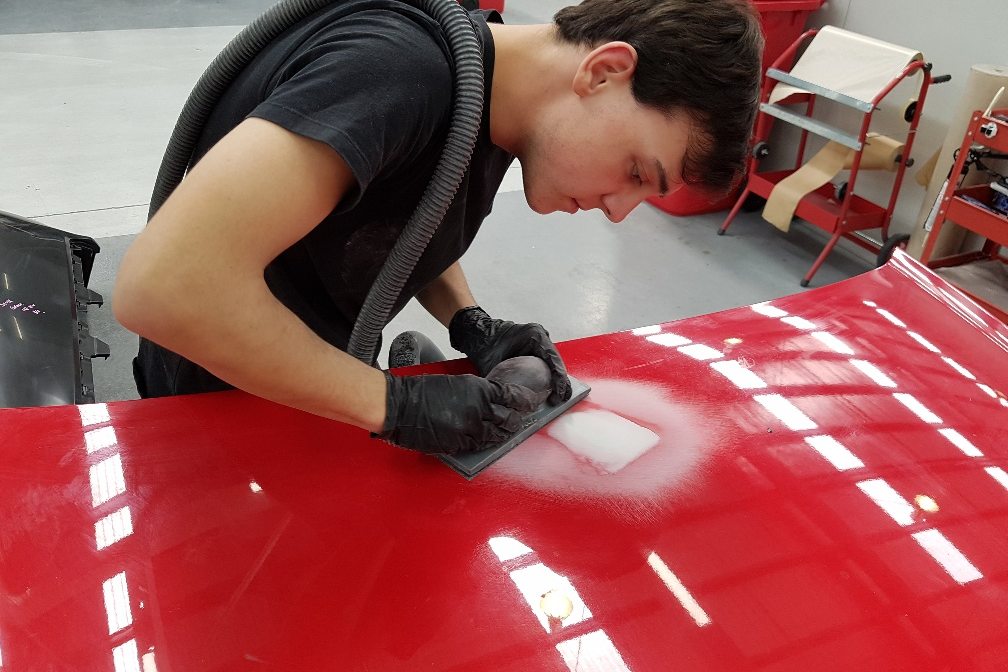
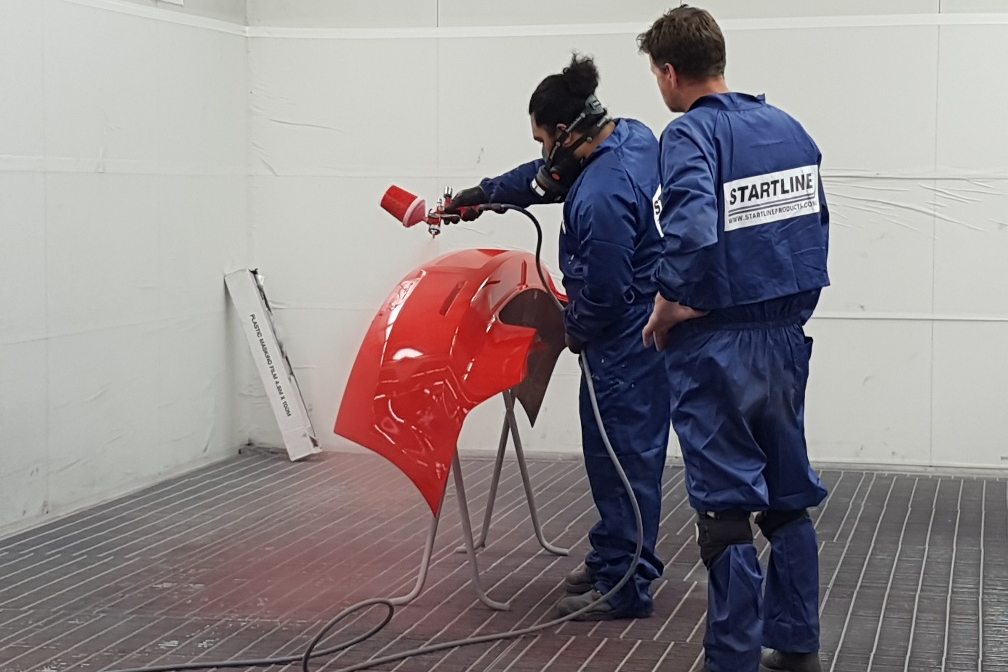
Paint and refinishing near sensors
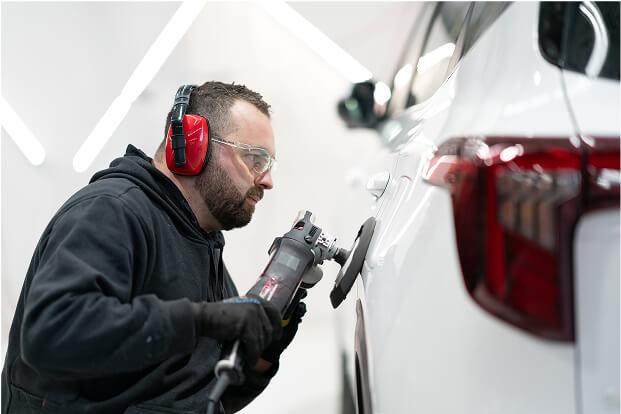
Radar reads through the bumper cover. Excess filler or paint build-up over it can affect performance.
Windscreen replacement
The forward camera is mounted to the glass, so a new windscreen means it needs calibrating.
Doors, mirrors and side panels
Surround-view and blind-spot cameras live in door mirrors. Door realignment or mirror replacement can shift them.
Structural and internal repairs
Sensor mounting points sit behind visible panels. Structural work that moves them changes where sensors point.
Suspension, ride height and alignment
Sensors are aimed relative to the road and centreline; suspension or alignment work can require calibration.
How calibration fits into your repair

Identified at assessment
Our estimators consider where the damage sits relative to the sensors and what the manufacturer's procedure requires. Any calibration requirement is written into the scope from the start.
Carried out to the manufacturer's procedure
Calibration is performed or coordinated as part of the repair, following the procedure for your make and model. Systems are verified before the vehicle is returned to you.
Static and dynamic calibration
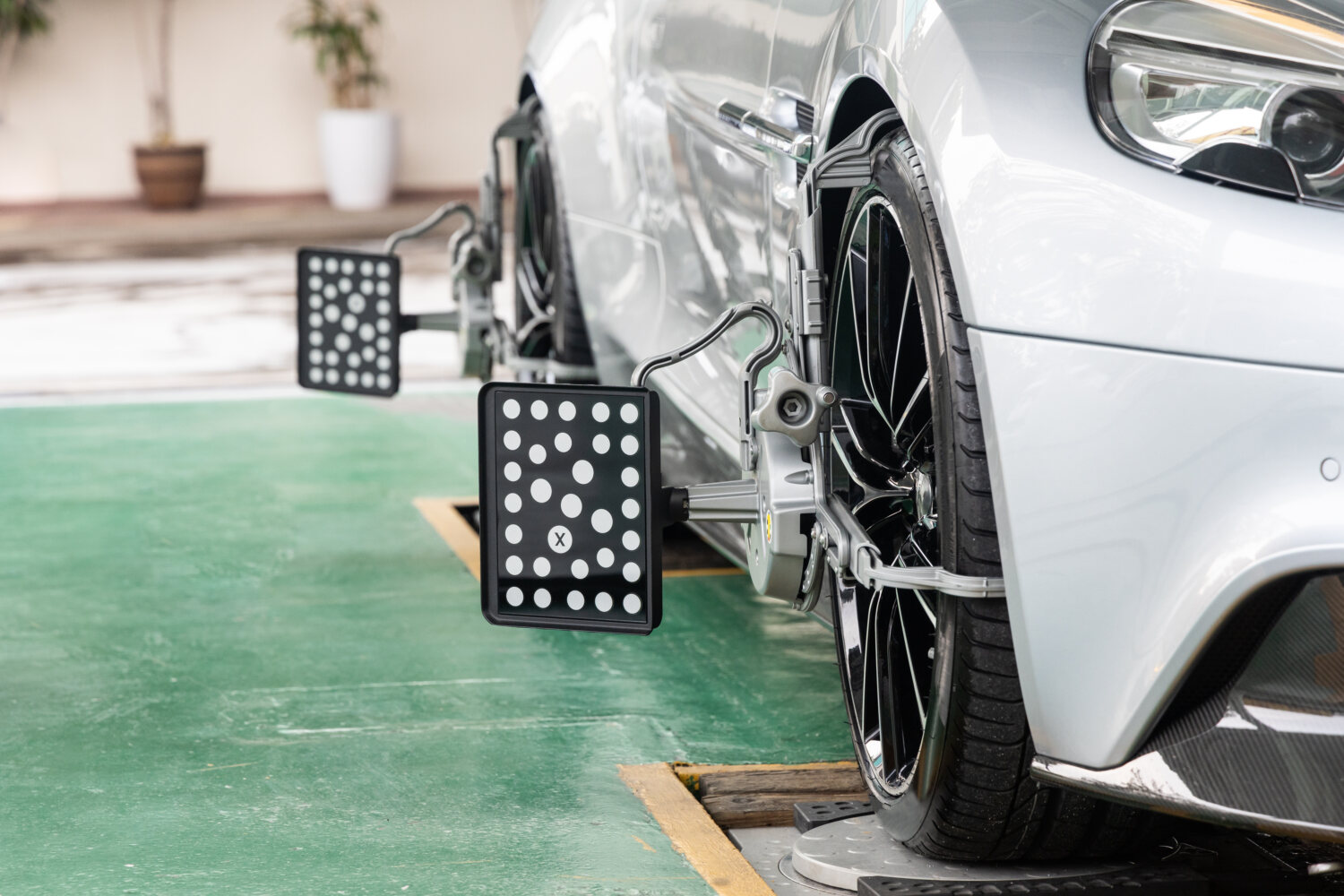
Static calibration uses manufacturer-specified targets with the vehicle stationary. Dynamic calibration is carried out on the road at a specified speed. Plenty of vehicles need both; order matters.
Insurance and private repairs
With a partnered insurer, calibration is coordinated as part of the approved repair, not left for you to arrange. For a private repair, it's itemised in your quote.
Why 'it drives fine' isn't the test
No warning light on the dash
A miscalibrated system usually doesn't put a warning light on the dash. It keeps reporting, with complete confidence, information that is slightly wrong. The deeper risk is that you keep driving as though the safety net is there.
Intervening at the wrong moment
Miscalibration can mean a system that doesn't intervene when it should, because it reads empty road where there is a stopped car, or one that intervenes when it shouldn't, braking hard for a shadow or an overhead sign.
Tolerances are tight
A camera knocked out by a single degree has barely moved at the windscreen, but a hundred metres down the road it is looking almost two metres to the side. Calibration is a physical alignment procedure verified afterwards, not a software reset.
Part of a complete repair
Calibration is part of a complete repair on a modern vehicle. A car returned to pre-accident condition should be as safe as it was before the accident, not just as good looking. For the background, read our guide to ADAS calibration after an accident.
Related repair services
Front and Rear Bumper Repairs
One of the most common repairs to trigger a calibration, because bumpers house so many sensors.
Structural and Internal Repairs
Repairs behind the panels that can move sensor mounting points.
EV and Hybrid Repairs
Electric and hybrid vehicles carry extensive sensor suites and need calibration handled alongside high-voltage safety.
Side Panel and Door Repairs
Door and side panel work that can affect mirror-mounted cameras.
Mirror and Trim Repairs
Mirror housings that carry blind-spot and surround-view cameras.
All accident repair services
Explore the full range of accident repair services we offer for drivable vehicles.
Common questions about ADAS calibration
Is ADAS calibration necessary after a minor bumper repair?
Often, yes. Where the manufacturer’s repair procedure calls for it, calibration isn’t optional. Removing or refitting a bumper, or repainting over a radar area, can change what the sensors behind it see even when no sensor was damaged. Our assessment identifies whether your repair needs it.
How long does ADAS calibration take?
It depends on the vehicle and how many systems are involved. A single static calibration on a straightforward vehicle can be completed well within a day; one needing several systems, a wheel alignment first and a road drive to finish takes longer. It is part of the repair, and we confirm an estimated timeframe once your vehicle has been assessed.
How much does ADAS calibration cost, and does insurance cover it?
There’s no single figure; it depends on your vehicle’s systems and whether static, dynamic or both are specified. Through a claim with a partnered insurer, calibration required to complete the repair properly is normally assessed and approved as part of the repair scope, though coverage always comes down to your policy. For a private repair, it’s itemised in your quote.

Do I need ADAS calibration after a wheel alignment?
Often, yes. Cameras and radar are aimed relative to the direction the vehicle actually travels, so changing the alignment can change where they effectively point. Some manufacturers specifically require calibration after alignment work, which is why sequence matters.
Do you calibrate ADAS on electric and hybrid vehicles?
Yes. EVs and hybrids are calibrated through the same coordinated process as other vehicles, alongside the high-voltage safety steps their repairs require. See EV and hybrid repairs.
Can I book ADAS calibration on its own, without a repair?
At Capital SMART, ADAS calibration is carried out or coordinated as part of an accident repair. If you need calibration after a standalone windscreen replacement or alignment that wasn’t part of a repair with us, your windscreen provider or a specialist calibration service is the right place to go.