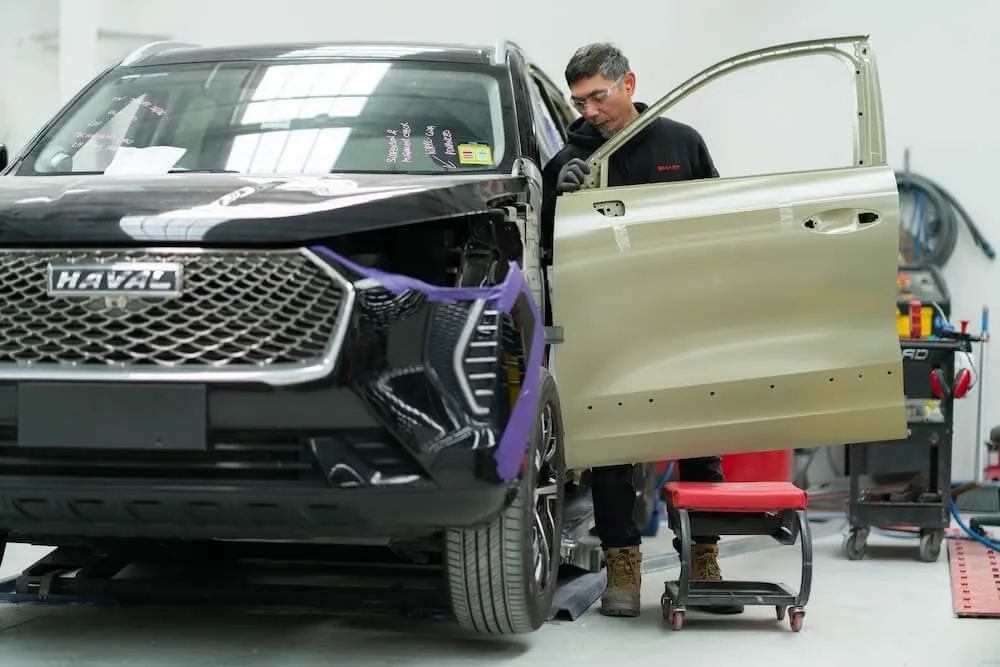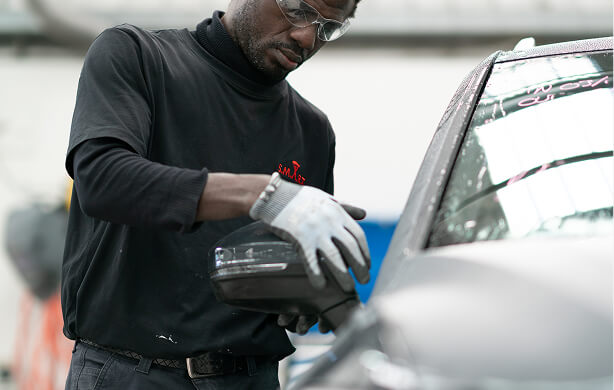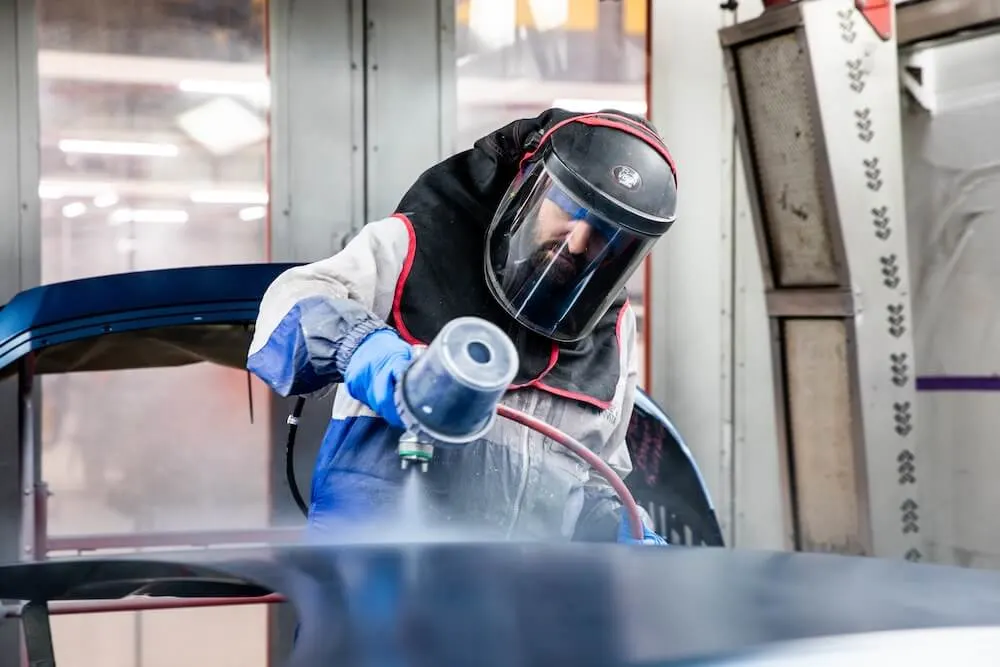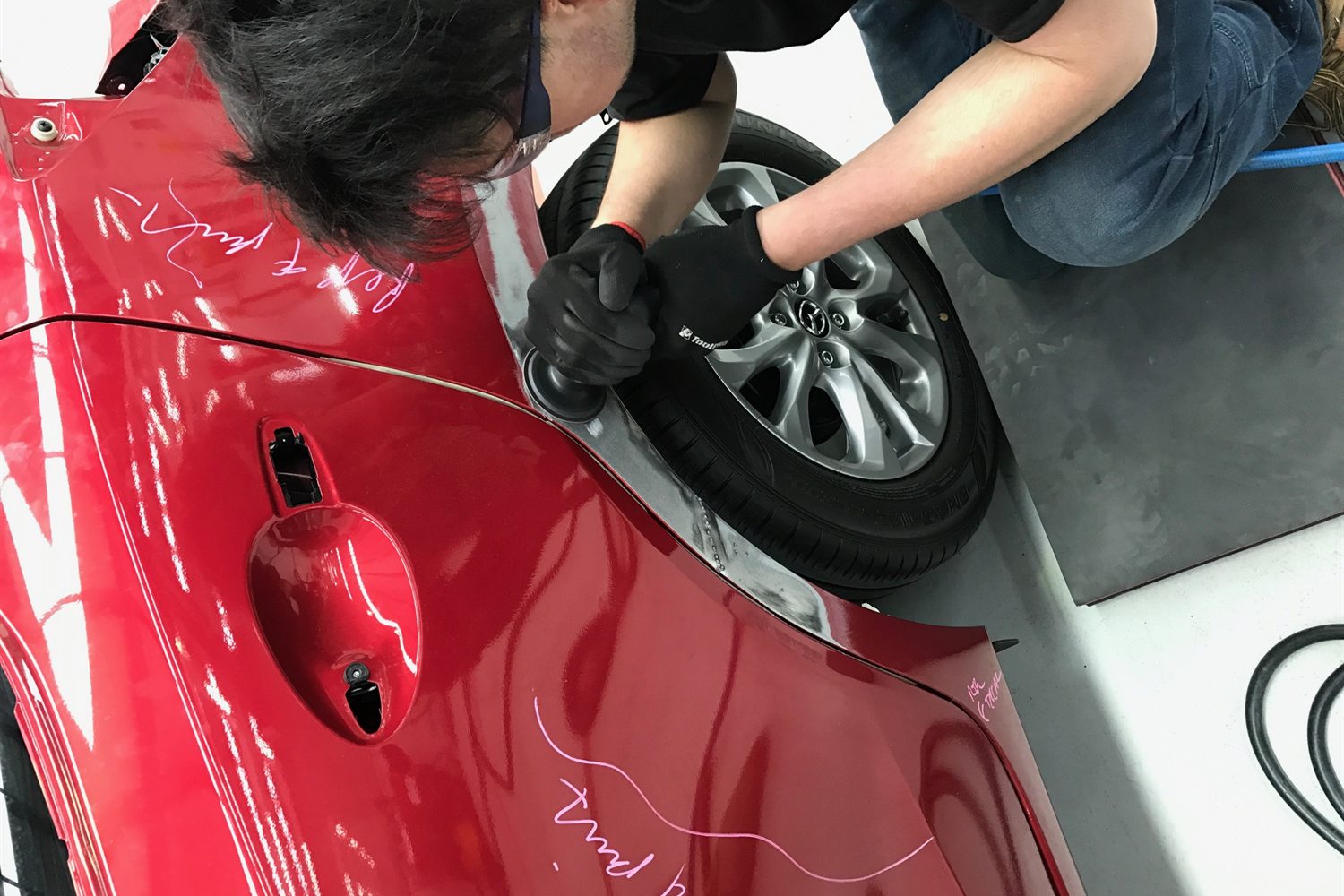
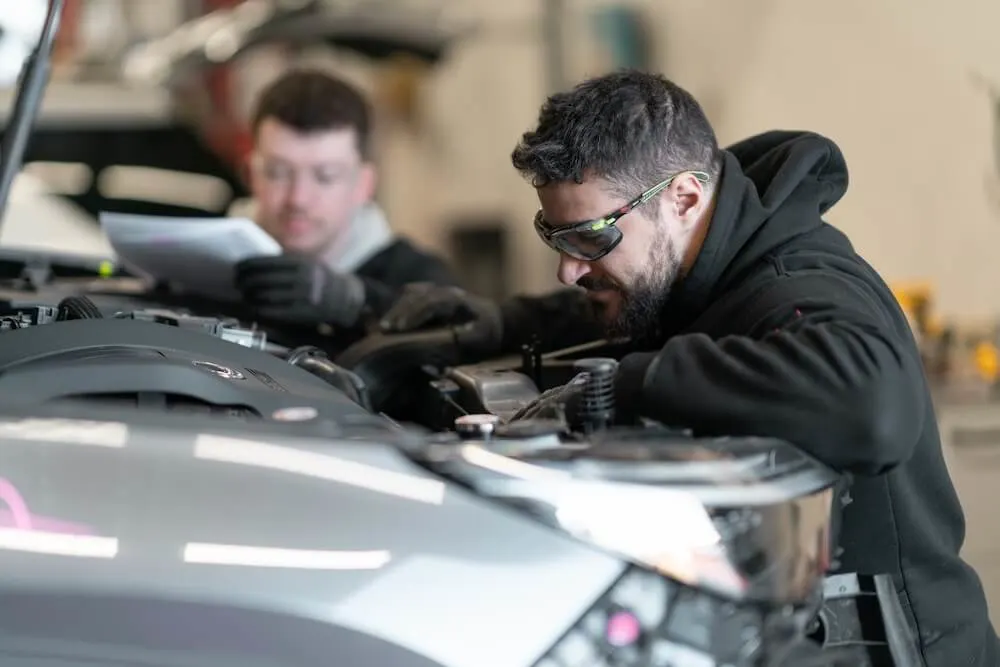
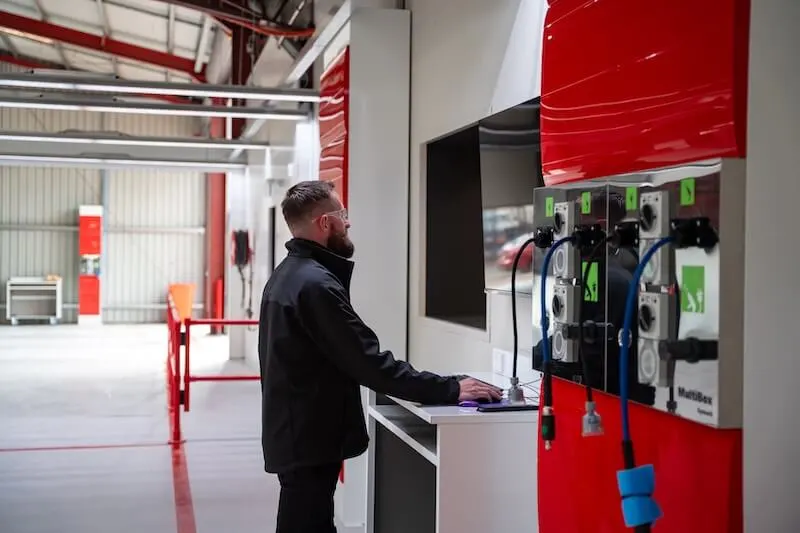
We restore accident related damage to internal parts and vehicle structures, ensuring your car is safe, secure, and ready to drive with confidence.
Structural and internal repairs for drivable vehicles
Not all accident damage is on the outside. Behind the bumper cover sits a reinforcement bar and energy absorber; behind the guard, the panel that supports the headlights and radiator; inside a door, an intrusion beam. A low-speed impact can bend or crack these parts, and a repair that only fixes the visible panel leaves them that way.
Capital SMART repairs internal parts and structures on drivable vehicles with low to medium accident damage, replacing components designed to deform once and repairing others to manufacturer’s specifications. Repairs are scoped alongside the panel and paint work whether you’re repairing privately or through a claim with our partnered insurers: AAMI, GIO, Apia, Shannons Insurance, Vero, Bingle and Suncorp Car Insurance.
Internal and structural damage we repair
Bumper reinforcement bars and absorbers
Designed to take one impact. Once deformed they are replaced, not straightened.
Radiator supports and front panels
Hold the headlights, grille, radiator and bonnet latch in position; a front-corner impact often misaligns them.
Inner guards and aprons
Pushed or creased inner panels are repaired or replaced so outer panels fit correctly.
Door intrusion beams and inner door structures
Side impacts can bend the beam inside a door or the door frame itself.
Brackets, mounting points and sensor mounts
Hold bumpers, lights, panels and sensors in position. Bent mounts affect panel fit and sensor alignment.
Sills and lower structures
Marked by kerbs, ramps and lower side impacts; repaired so panels and doors seal correctly.
How structural and internal repairs work

Assessment beyond the panel
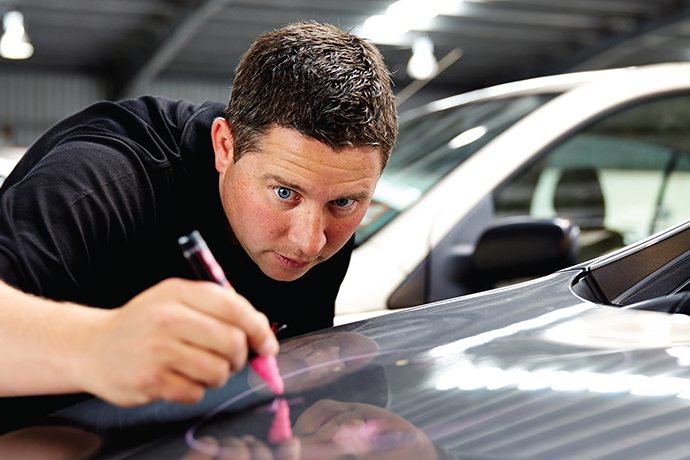
Estimators look past the visible damage, checking panel alignment, gaps and how doors and the bonnet close. Where necessary, outer parts are removed to inspect the structure underneath.
Repair or replace to specification
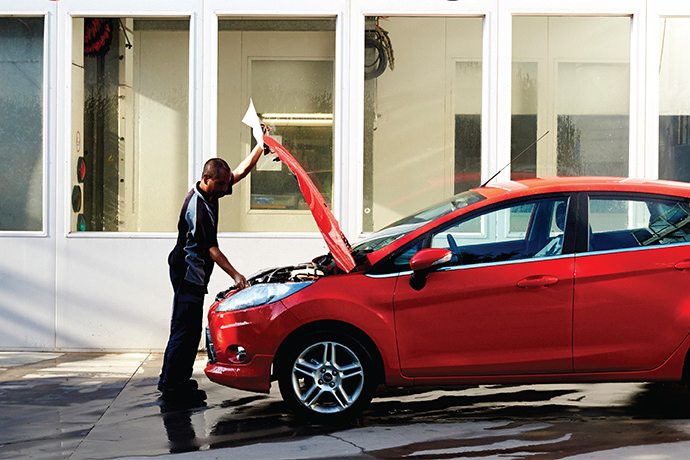
Bumper bars and crush structures are replaced. Others are repaired or replaced to manufacturer's specifications, using OEM or high quality alternatives depending on your insurer's guidelines and availability.
Reassembly and calibration
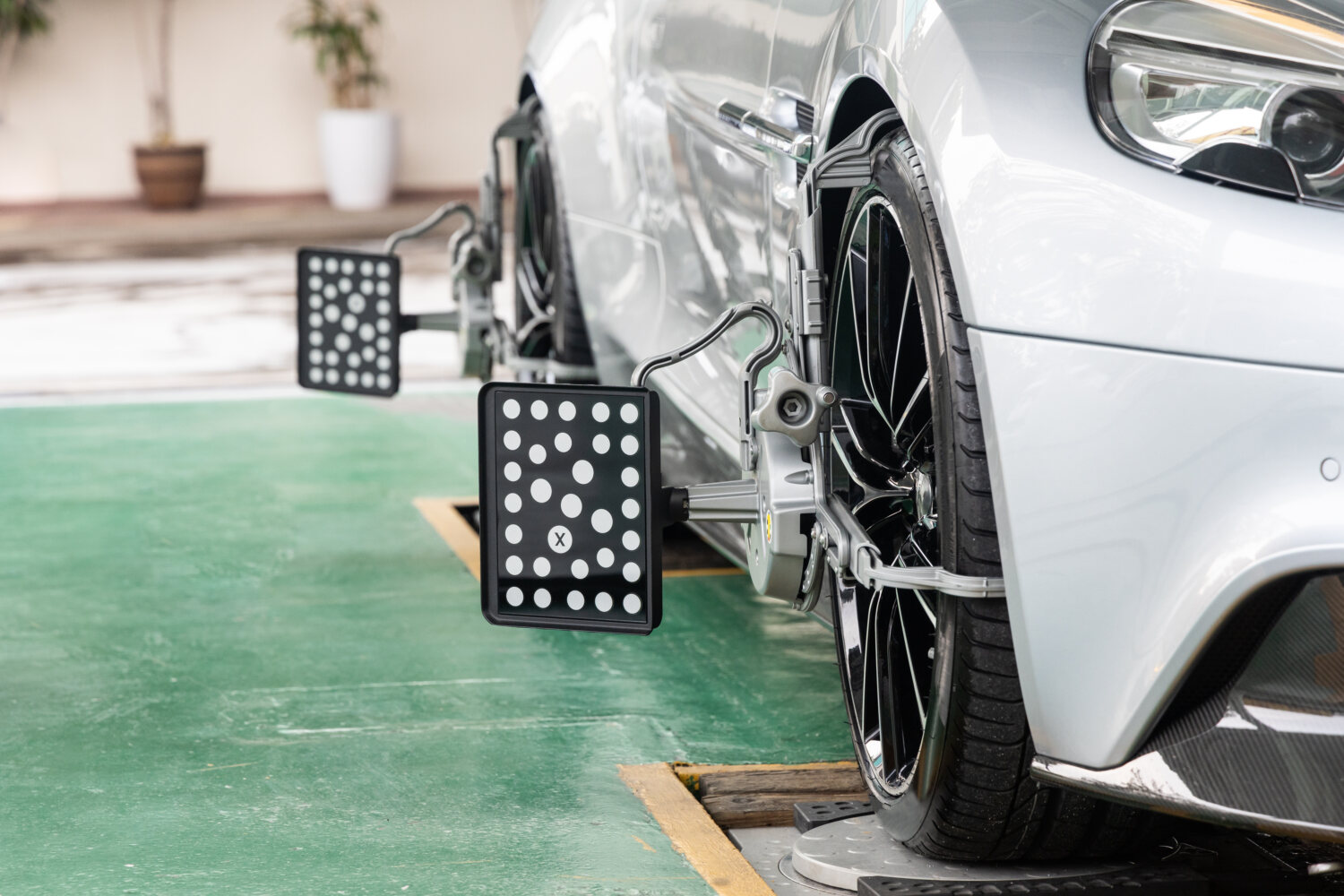
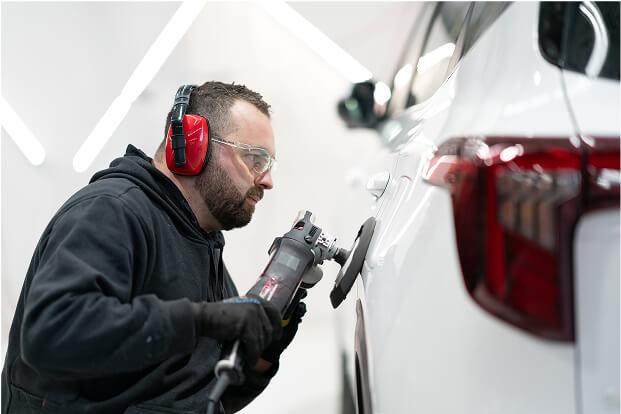
Panels, bumpers, lights and trims go back on and alignment is checked. Where work has moved sensors or their mounts, calibration is coordinated as part of the repair.
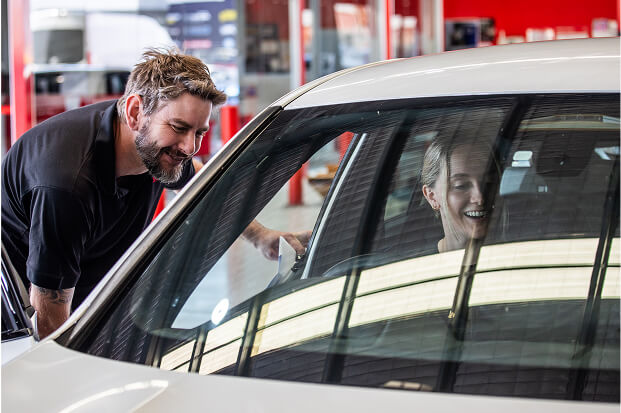
Safety and quality check
Every repair goes through a quality assurance check for safety and finish before you're notified to collect it. Every repair is backed by our warranty on all repairs.
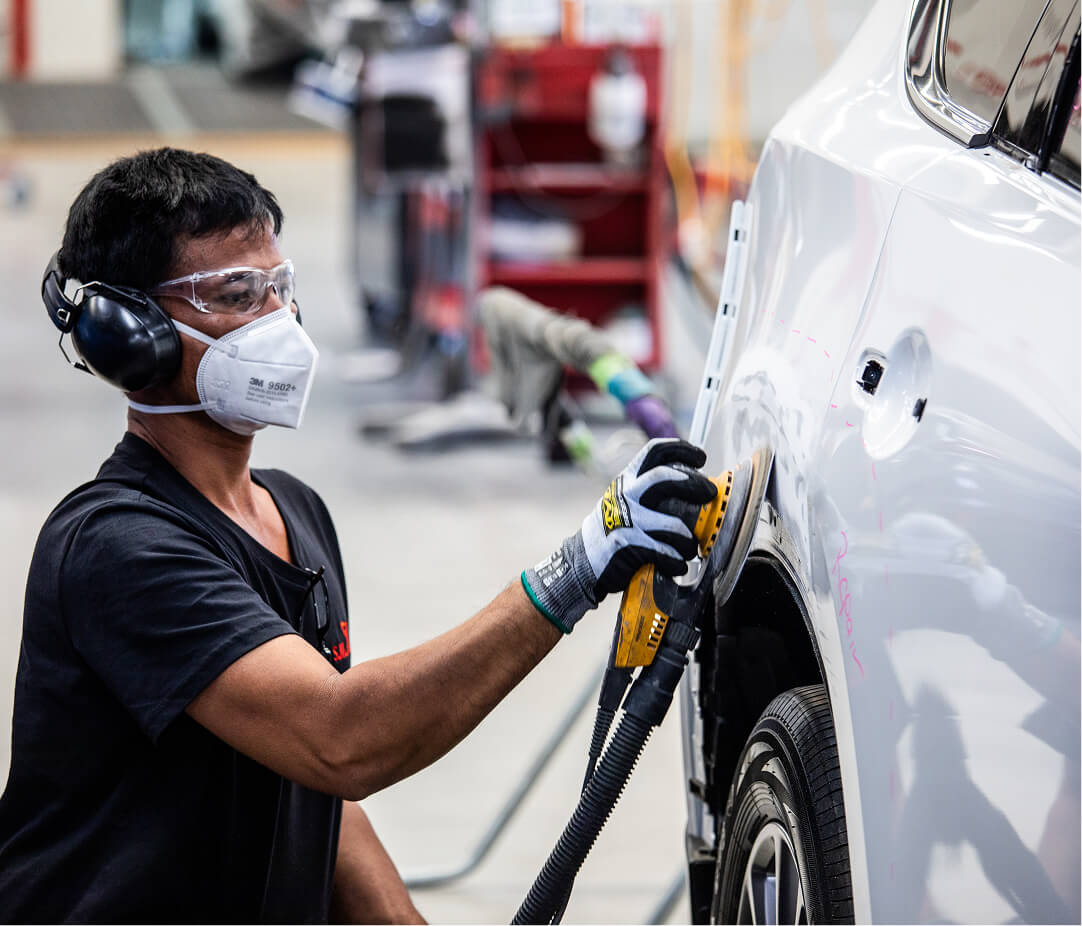
Things worth knowing about structural damage
Signs of damage behind the panel
Uneven panel gaps, a door or bonnet that won't latch, a crooked bumper, new warning lights or a vehicle that pulls to one side can point to damage you can't see. None guarantee structural damage, but each is a reason to have the vehicle assessed.
Why deformed parts are replaced
Crumple structures do their job by deforming in a controlled way, absorbing energy so the cabin doesn't. Once they have deformed they can't be relied on to do it again, which is why bars and crush structures are replaced rather than straightened.
Drivable vehicles only
Capital SMART specialises in drivable vehicles with low to medium accident damage. If your vehicle has heavy structural damage, deployed airbags or anything affecting its roadworthiness, it may be better suited to a different type of repair facility. Our team, or your insurer, can advise.
Insurance repairs
Where internal or structural components are affected, they are included in the repair scope submitted to your insurer alongside panel and paint work, so they can be assessed and approved as part of the same repair. See how insurance repairs work with our partnered insurers.
Related repair services
ADAS Calibration
Calibration of cameras, radar and sensors, identified and coordinated as part of the repair when work moves their mounting points.
Panel Repairs
The outer panels repaired or replaced once the structure behind them is right.
Front and Rear Bumper Repairs
Bumper covers, absorbers and reinforcement bars.
Side Panel and Door Repairs
Doors and side panels realigned so they fit and function.
Insurance Repairs
How the repair process works with our partnered insurers.
All accident repair services
Explore the full range of accident repair services we offer for drivable vehicles.
Common questions about structural and internal repairs
How do I know if my car has structural damage?
Look for uneven panel gaps, doors or a bonnet that no longer close properly, a crooked bumper, new warning lights or a change in how the car drives. These are reasons to have the vehicle assessed. Our estimators check what sits behind the visible damage as part of every assessment.
Is it safe to drive with internal damage?
If the vehicle drives normally, with no warning lights, fluid leaks, steering or braking changes and nothing hanging loose, it is usually safe to drive to an assessment. If anything about the way it drives has changed, or airbags have deployed, don’t drive it; contact your insurer or roadside assistance.
Do you repair non-drivable or heavily damaged vehicles?
Capital SMART specialises in drivable vehicles with low to medium accident damage. Heavy structural damage or a vehicle that can’t be driven may be better suited to a different type of repair facility, and our team or your insurer can advise you.
Are structural repairs done to manufacturer specifications?
Yes. Components are repaired or replaced according to the manufacturer’s specifications for that vehicle, and parts designed to deform in a single impact, such as bumper bars and crush structures, are replaced rather than straightened.
Will my safety systems work after the repair?
Where structural or internal work moves sensors or their mounting points, the calibration requirement is identified in the repair scope and coordinated as part of the repair rather than left for you to arrange afterwards.
How long do structural and internal repairs take?
Longer than a cosmetic repair, because parts often need to be ordered and more of the vehicle is disassembled. Most minor repairs are completed within days; we confirm an estimated timeframe for your vehicle once it has been assessed.